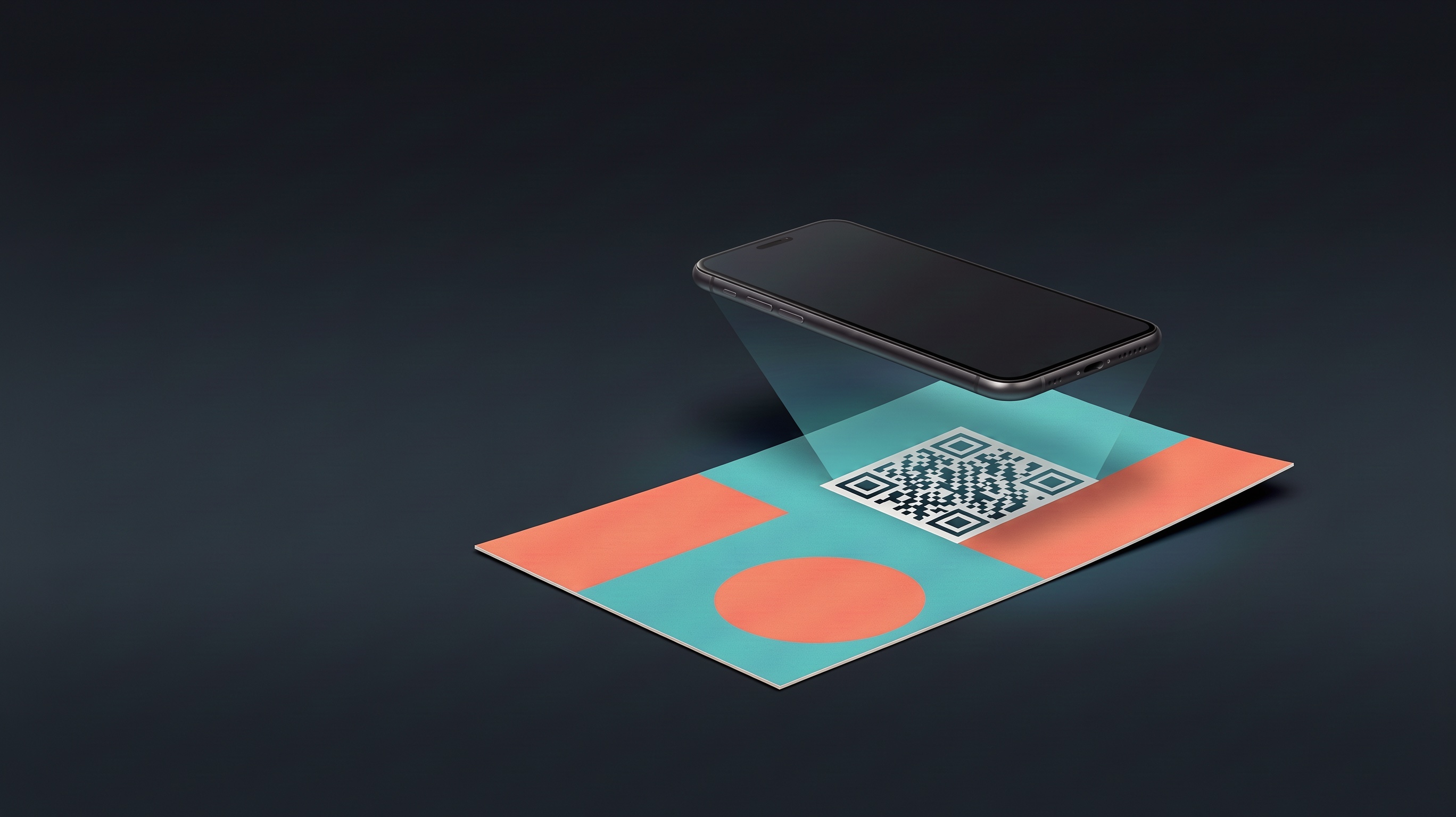
QR codes have become an essential tool in modern print design, seamlessly connecting physical marketing materials with digital experiences. This article explores how QR codes make print measurable, enhance user experience, and offers creative ways to integrate them into various print campaigns.
Interactive Print Ideas That Bring Your Brand to Life
In today's digital-first world, print design must evolve to remain impactful. Businesses seek more than static posters or flyers; they demand experiences that instantly connect offline audiences with online actions.
This is where QR codes come in: one of the simplest yet most powerful tools for bridging the gap between physical and digital marketing.
By 2026, QR codes have solidified their place in print design, transforming traditional materials into interactive brand touchpoints. When used strategically, they don’t just link to a website—they deepen engagement, enable user behavior tracking, and make print campaigns measurable.
Let's explore how QR codes are reshaping modern print design and discover interactive ideas you can leverage for your next project.
Why QR Codes Are Essential in Print Design Today
They Make Print Measurable
One of the greatest challenges in traditional print marketing is accurately tracking return on investment (ROI). With QR codes, you can now measure:
- Click-through rates
- Engagement levels
- Conversion rates
- User behavior patterns
This provides marketers with invaluable insights that were previously unattainable with standard posters or brochures.
They Seamlessly Bridge Offline & Online
A customer can transition from holding a printed flyer to booking an appointment or making a purchase in mere seconds. There's no need to manually type URLs or conduct searches; just scan and go.
They Enhance User Experience
Consumers value convenience. QR codes reduce friction by offering:
- Quick access to information
- Instant interaction opportunities
- Clear calls to action
Print materials become more dynamic—almost like holding an interactive screen.
They’re Cost-Effective and Easy to Implement
Adding QR codes doesn't necessitate additional printing costs, sophisticated technology, or complex design modifications. It's a low-cost enhancement with significant impact.
Smart Ways to Integrate QR Codes in Print Design
Here are creative, strategy-driven print ideas that ensure QR codes feel purposeful, rather than an afterthought.
Event Posters → Instant Registration
Make event promotion more effective by allowing passersby to register or purchase tickets instantly. Link to:
- Eventbrite page or registration form
- A countdown timer to the event
- Interactive event map
- Speaker profiles
- Exclusive early-bird discount links
This approach significantly reduces friction and boosts attendance.
Business Cards → Dynamic, Live Portfolios
Modern designers, photographers, and creatives are using QR codes on business cards to direct people immediately to:
- A digital portfolio
- A LinkedIn profile
- Their website homepage
- A direct booking page
Unlike static print, digital portfolios can be continuously updated, ensuring your card never becomes outdated.
Restaurant Menus → Digital Ordering
Menus are now more interactive than ever. Restaurants utilize QR codes to link to:
- Updated digital menus
- Detailed allergy information
- Special offers
- Loyalty programs
- Table-side ordering systems
This merges design with convenience and streamlines customer flow.
Brochures & Flyers → Product Videos
Print can convey only a limited amount of information. QR codes unlock more dynamic storytelling through:
- Explainer videos
- Customer testimonials
- Interactive 3D product views
- How-to demonstrations
This transforms simple brochures into engaging multimedia experiences.
Product Packaging → Exclusive Content
Product packaging often represents an overlooked marketing opportunity. You can use QR codes to provide access to:
- Tutorials
- Recipes
- Brand stories or heritage
- Sustainability information
- VIP reward programs
Consumers appreciate brands that offer value beyond the product itself.
Retail Posters → Exclusive Offers & AR Filters
Want your print advertisement to grab attention? Try linking to:
- A surprise discount
- Limited-time deals
- Augmented reality (AR) try-on filters
- Gamified experiences
This transforms print into an immersive touchpoint that can boost sales and social engagement.
Real Estate Signage → Virtual Tours
Real estate agents can convert outdoor signs into 24/7 property showcases by linking QR codes to:
- Virtual walkthroughs
- Detailed floor plans
- Financing calculators
- Appointment scheduling tools
This significantly improves lead quality and convenience for potential buyers.
Design Tips for Effective QR Code Usage
To ensure your QR codes enhance—not detract from—your print design, consider these tips:
- Ensure Scannability: Use high contrast, adequate resolution, and appropriate sizing (a minimum of 2 x 2 cm is recommended).
- Provide a Clear Call-to-Action (CTA): Explicitly tell users what to expect. Examples include: "Scan to get 20% off" or "Scan for video demo."
- Optimize Landing Pages for Mobile: Most users will scan with their smartphones, so ensure the destination page is fully responsive and mobile-friendly.
- Integrate Visually: Use complementary colors, icons, or frames to make the QR code feel like an intentional part of the design, not an added element.
- Test Before Printing: Always scan the QR code from various distances and under different lighting conditions to confirm functionality.
QR codes are revolutionizing print design, making it more interactive, measurable, and connected than ever before. In 2026, brands that successfully blend offline creativity with digital strategy will stand out—and QR codes are an indispensable tool in achieving this synergy.
Print is no longer solely about aesthetics; it's about interaction, engagement, and facilitating seamless user journeys. Whether you're designing brochures, packaging, or posters, QR codes empower you to bring your print campaigns to life and guide users exactly where you want them to go.